Q2 Reality Check. Did Your Q1 Growth Actually Stick?
May 10, 2026
The World Cup Is Coming. But Will Those Visitors Ever Return?
June 7, 2026Q2 Reality Check. Did Your Q1 Growth Actually Stick?
May 10, 2026The World Cup Is Coming. But Will Those Visitors Ever Return?
June 7, 2026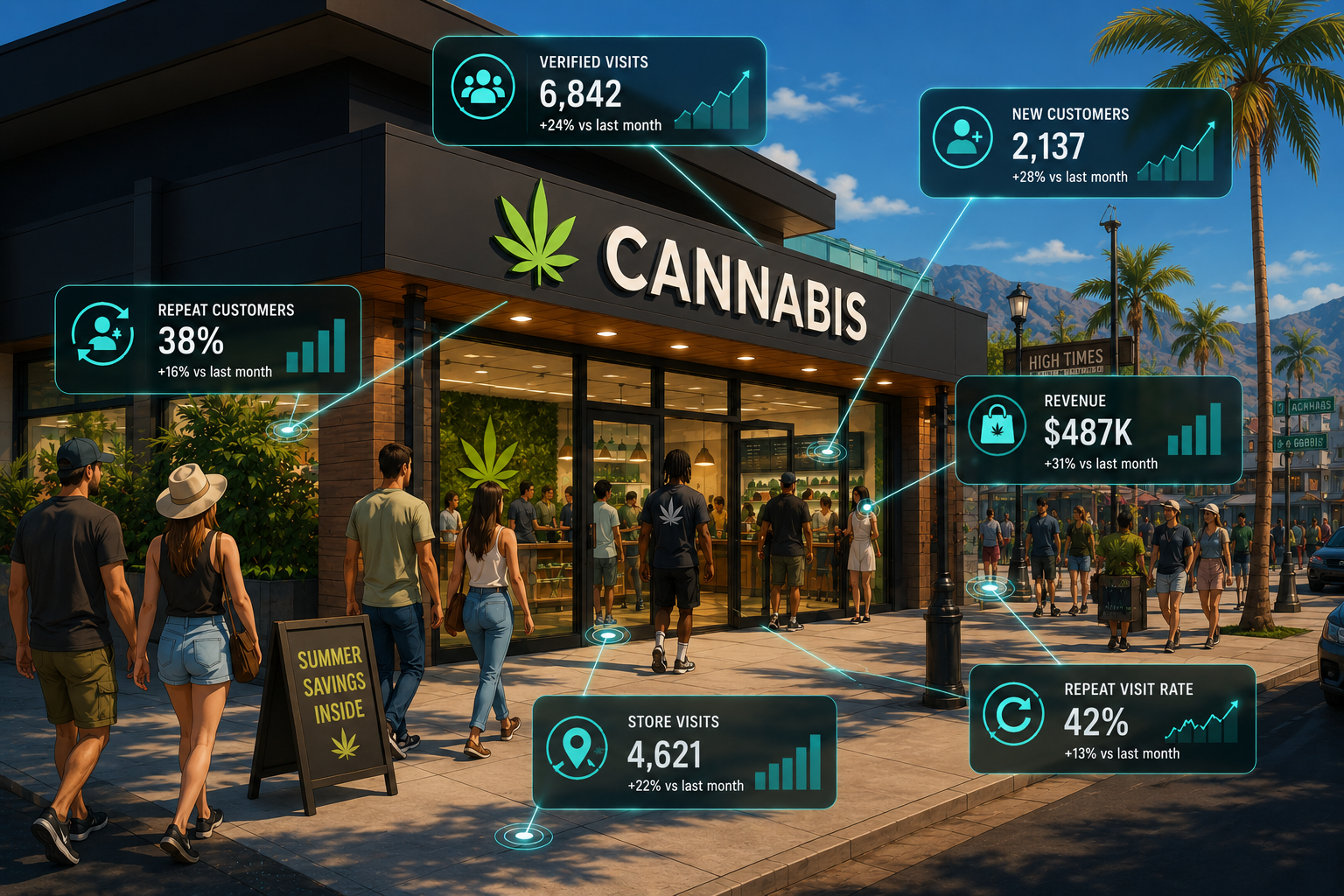
Memorial Day weekend has become more than just the unofficial start of summer for cannabis retailers. It marks the beginning of one of the busiest stretches of the year. Tourism increases, seasonal consumers return to the market, local events drive traffic spikes, and dispensaries everywhere begin ramping up promotions to compete for attention.
For many operators, summer brings a noticeable lift in traffic almost immediately. Stores get busier, online menus see more activity, and marketing dashboards suddenly start reporting stronger campaign performance.
The challenge is figuring out how much of that growth is actually being driven by your marketing versus how much is simply seasonal demand.
That distinction matters more than ever in cannabis retail, where margins are tighter, competition is increasing, and customer loyalty is becoming harder to maintain.
Summer Traffic Can Make Every Campaign Look Successful
Cannabis operators already know how quickly promotional periods can distort performance metrics. Around holidays and high-traffic weekends, nearly every campaign appears to improve at the same time.
Clicks rise.
Store visits increase.
Online orders spike.
But elevated activity does not automatically mean your marketing is working efficiently.
During busy seasonal periods, many dispensaries end up scaling campaigns based on platform-reported engagement metrics without fully understanding what actually drove customer behavior. The result is that operators often invest more heavily in channels or promotions that generate activity, but not necessarily profitable long-term growth.
That problem becomes even more difficult when the same platforms responsible for serving ads are also responsible for measuring their own performance.
Without an independent attribution layer, it is difficult to separate:
- true customer acquisition
- repeat customer behavior
- seasonal lift
- competitor switching
- profitable traffic versus discount-driven traffic
And in cannabis retail, those differences can have a major impact on long-term revenue performance.
Cannabis Retailers Need to Own Their Customer Intelligence
Customer behavior data is one of the most valuable assets a dispensary can build. Understanding which campaigns bring in first-time customers, which audiences return consistently, and which locations generate repeat visits creates a much clearer picture of business performance than impressions or clicks alone.
Unfortunately, most dispensaries do not truly own that intelligence.
Instead, performance data often remains scattered across advertising platforms, loyalty systems, menu providers, and disconnected campaign reports. Operators can see pieces of the customer journey, but very few have a unified understanding of how marketing actually influences store-level revenue and retention over time.
That creates a major challenge heading into summer, when dispensaries are increasing spend during some of the most competitive months of the year.
Every dispensary is running promotions.
Every dispensary is trying to capture seasonal traffic.
Every dispensary is competing for the same customer attention.
The operators that perform best will not simply be the ones spending the most. They will be the ones that understand their customers most clearly.
NXTeck Creates an Independent Attribution Layer for Cannabis Retail
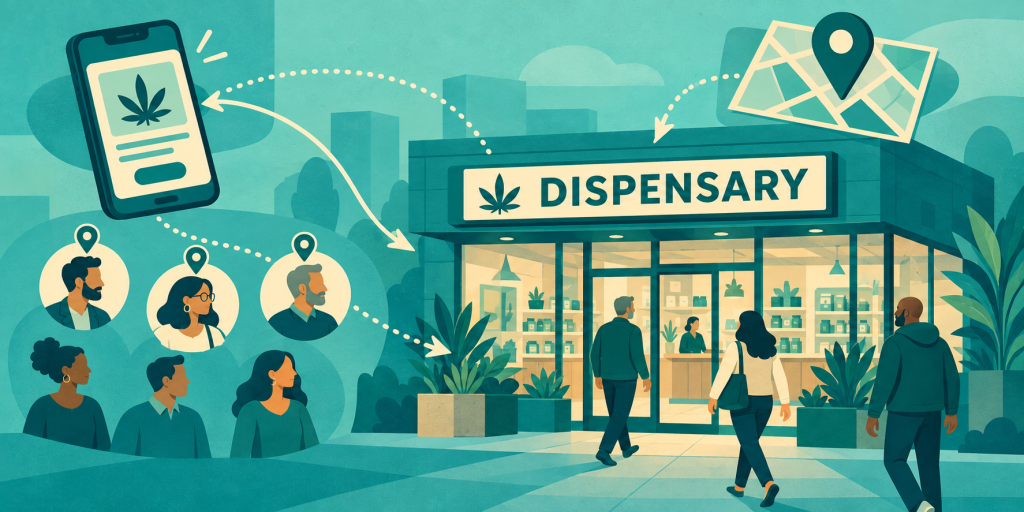
NXTeck helps dispensaries move beyond surface-level marketing metrics by connecting campaigns directly to verified customer behavior and measurable revenue outcomes.
Rather than relying on modeled assumptions or platform-reported attribution, NXTeck gives operators visibility into:
- verified store visits
- customer acquisition
- repeat visit behavior
- online-to-offline conversion activity
- store-level revenue attribution
- new versus returning customers
That visibility allows dispensaries to understand not just whether a campaign generated engagement, but whether it drove profitable customer behavior over time.
For example, a summer promotion may create a large spike in traffic, but NXTeck can help determine whether those customers returned after the promotion ended or whether the campaign simply attracted temporary discount traffic.
That distinction is critical because long-term growth in cannabis retail is rarely driven by one-time visits alone. Sustainable growth comes from increasing visit frequency, improving customer retention, and identifying which marketing efforts consistently drive repeat behavior.
Summer Marketing Should Build More Than Traffic
Too often, seasonal cannabis marketing becomes focused entirely on immediate activity. Operators push aggressive promotions, monitor short-term spikes, and optimize toward whichever campaigns appear busiest in the moment.
But traffic alone is not the goal.
The real value comes from understanding which campaigns are creating loyal customers and which audiences continue generating revenue after the initial transaction.
As customer acquisition costs continue to rise across cannabis markets, dispensaries need a clearer understanding of where profitable growth is actually coming from. Independent attribution gives operators the ability to stop guessing and start building a long-term intelligence layer around customer behavior.
Instead of restarting the performance conversation every quarter, dispensaries can begin building a system that improves decision-making over time.
The Dispensaries That Win This Summer Will Own Their Data
Summer creates enormous opportunity for cannabis retailers, but it also creates noise. Increased traffic and seasonal demand can make weak attribution models appear more accurate than they really are.
The dispensaries that gain a real competitive advantage this season will be the ones that move beyond platform-reported performance and build an independent understanding of customer behavior across locations, campaigns, and promotions.
Because in a crowded cannabis market, owning your customer intelligence matters just as much as acquiring customers in the first place.
This summer, don’t just drive traffic.
Own the data behind it.
Drive revenue. Prove revenue.